By Tasiano Isaac
In today’s world, work no longer belongs to a single location. Offices have gone global — often reduced to a laptop, a strong Wi-Fi connection, and a scenic background. This shift has birthed a growing class of professionals known as digital nomads — remote workers who travel while working for companies or clients around the world.
Across Africa, forward-thinking nations have realized something profound: these travelers are not just tourists; they are long-term economic contributors. They rent apartments, eat at local restaurants, hire guides, attend community events, and pour money directly into local economies. This realization has led to a powerful new idea — the Digital Nomad Visa (DNV).
Understanding the Digital Nomad Visa
A Digital Nomad Visa is a special type of residence permit that allows remote workers to live in a country while working for foreign employers or running online businesses. Unlike a tourist visa, which might expire after 30 or 90 days, the DNV typically lasts between 6 months to 2 years.
Applicants usually need to prove that they:
- Work remotely or freelance for clients outside the host country
- Earn a steady income (to ensure financial independence)
- Have valid health insurance
- Have a clean criminal record
The goal is simple: attract income earners without competing with local workers.
How African Countries Are Doing It
- Mauritius: Africa’s First Mover
Mauritius was one of the first African countries to launch a Digital Nomad Visa in 2020, called the “Premium Travel Visa.” The visa allows foreigners to stay up to a year, renewable upon request. Mauritius marketed itself as a “paradise for productivity,” combining tropical beaches with strong internet connectivity and reliable infrastructure. The strategy worked — the program attracted thousands of applicants, especially from Europe and Asia, who injected millions into the local economy during the pandemic years.
2. Namibia: Blending Tourism with Tech
Namibia introduced its Digital Nomad Visa in 2021. Applicants must earn at least $2,000 per month, enough to ensure they can sustain themselves locally. What Namibia did differently was to align the DNV with its tourism strategy — positioning itself not just as a safari destination, but as a peaceful, affordable working retreat.
Namibia’s tourism ministry openly stated that digital nomads “stay longer and spend more” than average tourists — a simple but game-changing insight.
3. Kenya: Digital Nomads Meet the Silicon Savannah
Kenya, home to Africa’s “Silicon Savannah,” has been developing its DNV policy to complement its growing remote work ecosystem. With Nairobi’s tech hubs, Mombasa’s coastline, and growing digital infrastructure, Kenya sees the visa as a way to attract global innovators and freelancers who could collaborate with local startups.
The government has been engaging stakeholders to ensure the visa aligns with data security laws, taxation systems, and sustainable urban planning — a sign that Kenya wants to do this right.
4. South Africa: The Continental Trendsetter
South Africa officially launched its Digital Nomad Visa in 2024, joining countries like Croatia and Portugal in targeting remote professionals. The visa allows foreigners earning at least R1 million (around $53,000) per year to live and work remotely from cities like Cape Town, Durban, or Pretoria.
The impact was immediate. Co-working spaces flourished, tourism rebounded, and the service sector experienced renewed energy. However, there were side effects: housing prices in urban areas went up, particularly in Cape Town and Pretoria, leading to local frustration.
Yet, even with this challenge, South Africa remains a case study in how to regulate and adapt a DNV program. Local councils are now discussing affordable housing strategies to maintain balance — a crucial lesson for other nations.
The Economic Ripple Effect
Digital nomads bring more than just rent and restaurant bills. They bring visibility, networks, and innovation.
- Foreign Exchange: They spend in local currencies while earning in dollars, euros, or pounds.
- Entrepreneurial Exchange: They collaborate with local talent, designers, and developers, creating knowledge transfer opportunities.
- Tourism Growth: Their long stays encourage friends, family, and colleagues to visit, creating a multiplier effect.
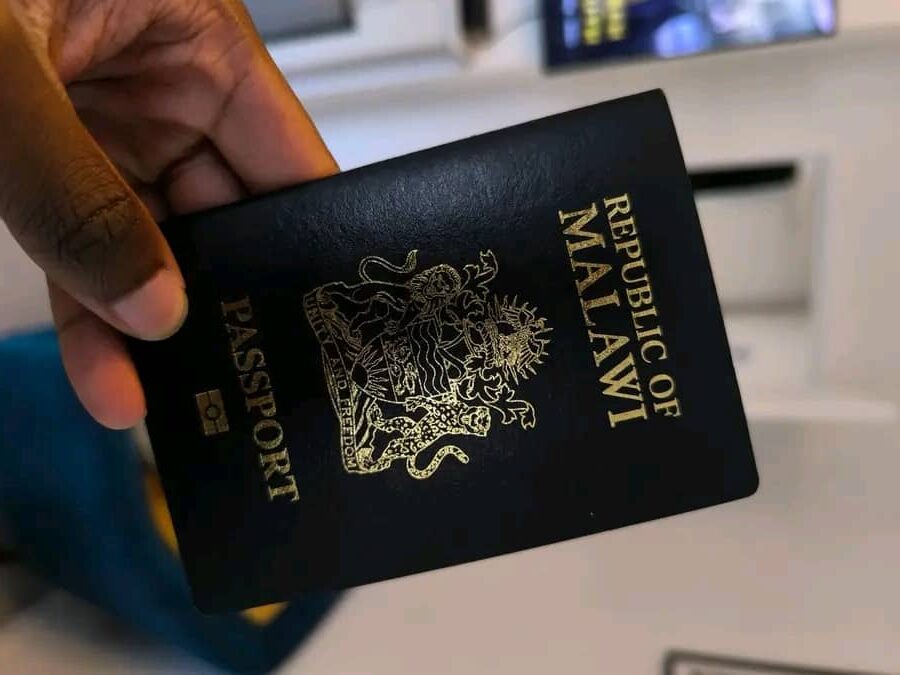
- Local Branding: They become organic ambassadors, sharing Malawi’s landscapes, culture, and kindness with global audiences online.
This model creates a new class of tourism — slow, sustainable, and experience-driven.
Why Malawi Is Perfectly Positioned Malawi already has the foundation many countries had to build from scratch:
- Peaceful environment and friendly communities
- Affordable cost of living
- Stable internet infrastructure in growing cities like Blantyre, Lilongwe, and Zomba
- Known as the ‘warm heart of africa’
Malawi could easily market itself as “Africa’s most peaceful remote work destination.” The world is full of professionals seeking meaningful places to live and work not just skyscrapers and fast Wi-Fi, but culture, peace, and authenticity. Malawi already embodies that.
How Malawi Could Design Its Digital Nomad Visa
If Malawi were to introduce such a visa, it could learn from the successes and challenges of its peers. A sustainable model might include:
- A one-year renewable visa for remote workers earning a minimum of $1,500/month
- A flat visa fee that supports digital infrastructure projects
- Collaboration with local hubs (like mHub, GrowthAfrica, and universities) to build community
- Encouraging digital nomad villages in scenic areas like Nkhata Bay, Zomba, Mangochi, and Likoma Island
This approach would attract not just freelancers, but also entrepreneurs looking for a base to build and collaborate within Africa.
A Step Toward a Smarter Future
A digital nomad visa isn’t just a tourism gimmick — it’s a development strategy. It attracts new forms of capital, new skills, and new visibility.
The world has already moved toward mobility and remote work; the question is whether Malawi will embrace it or watch from the sidelines. If done wisely with housing regulations and sustainable community integration a digital nomad visa could be one of the smartest economic reforms of the decade.
Final Thought
Every country must decide what kind of travelers it wants to attract. Some chase tourists who come for three days and leave. Others, like Mauritius or Namibia, invite travelers who come to live, create, and belong.
Malawi’s beauty, peace, and warmth make it the perfect home for the world’s remote generation. It’s time we opened the door — and invited them in.