By Tasiano Isaac
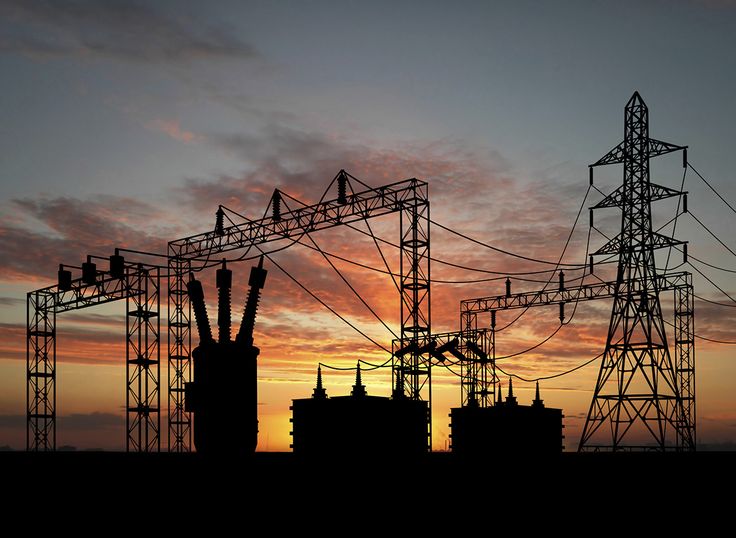
In Malawi and across much of Africa, development often feels like pushing a car uphill, with the handbrake still on. We have ambition, talent, and natural resources. But the economy grows slowly, industries struggle to scale, and innovation is held back by one persistent bottleneck: electricity.
1. The Power-GDP Connection (with Global Comparison)
Electricity isn’t just a convenience — it’s the fuel for economic transformation. Reliable power supports manufacturing, tech startups, agriculture, healthcare, and education. Studies show that electricity consumption per capita strongly correlates with GDP per capita and even broader human development indices. ([geni.org])
To put this into perspective, consider Singapore. The city-state’s per‑capita electricity consumption once reached 8,845 kWh/year. ([indexmundi.com]) As Singapore’s economy grew, so did its energy use: between 1990 and 2012, its total final energy consumption tripled, rising by about 5.4% per year. ([eria.org])
That rising energy use tracked closely with Singapore’s transformation from a developing port city into a global economic powerhouse. Its energy use per $1,000 of GDP is now just ~49.6 kg of oil equivalent, compared to a world average of ~93 kg, showing high energy efficiency. ([theglobaleconomy.com])
Lesson for Malawi: We are far below such energy-intensity levels, and that gap is not incidental — it’s a critical barrier to development.
2. Why Solar Panels and Generators Aren’t Enough (Context & Contrast)
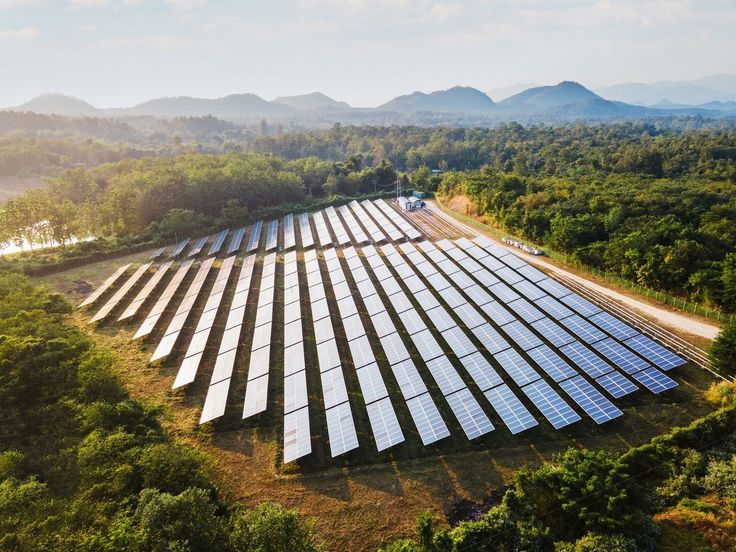
In Malawi, many households depend on solar home systems or diesel generators. These play a crucial role in providing light, charging phones, or powering small shops. But they cannot sustain large-scale economic growth.
A comparison helps: in advanced economies, businesses rely on grid-scale, stable power to run factories, data centers, or large farms. In China, under Xi Jinping’s leadership, China massively invested in grid infrastructure and ultra-high-voltage transmission lines, coupled with clean energy generation. ([ft.com])
Malawi’s decentralized solar and generator model is valuable for survival — but not for powering a modern economy at scale.
3. The Paradox: Rich in Resources, Poor in Power
Africa is paradoxically abundant in natural resources — from uranium and hydro potential to solar irradiance — yet struggles to convert those into local development.
Consider the Grand Inga Dam concept in the Democratic Republic of Congo: the planned Inga dams could generate up to 43.5 GW, potentially supplying electricity to much of Africa. ([en.wikipedia.org])
Meanwhile, countries like Singapore evolved through value addition and reinvestment, turning limited natural resources (it has very little) into global trade, finance, and highly efficient industries. ([aseanbriefing.com])
This contrast highlights a tragic irony: while Malawi exports uranium and other resources, it often lacks the energy infrastructure to industrialize or process those resources at home.
4. Ethiopia’s Citizen-Funded Dam: A Lesson for Malawi
Ethiopia’s Grand Ethiopian Renaissance Dam (GERD) is a powerful model: the government raised funds by selling bonds to citizens, building a strong sense of collective ownership.
Why this could work for Malawi:
– Citizens invest in a shared future — not just through taxes, but through meaningful participation.
– It could reduce dependence on foreign donors or loans.
– It might fast-track large-scale infrastructure, giving people a tangible stake in major projects.
But the risks are real: such models can be abused, poorly managed, or lack transparency. Without solid governance, asking citizens to invest could become a political burden. Still, if done well, this model could help convert public commitment into national infrastructure.
5. Uranium for Infrastructure: A Strategic Deal
One of the boldest ideas is to use Malawi’s uranium as leverage. Instead of simply exporting it raw, Malawi could negotiate resource-for-infrastructure deals: “You take some uranium; we build a dam, a modern grid, or a power station.”
This is not just theory. Countries like China frequently make such deals, investing in infrastructure in exchange for access to resources. For Malawi, that could mean:
– Nuclear-level or hydro-level generation capacity
– A stronger national grid
– Long-term energy sovereignty, not just short-term revenue
Of course, uranium deals come with complexity: regulation (IAEA), security, and diplomacy all matter. But the upside is transformative — if structured right.
6. The Stark Reality in Malawi & Africa
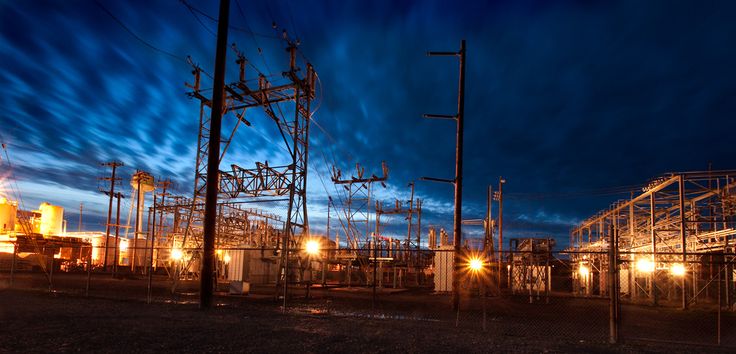
– Sub-Saharan Africa’s per-capita electricity consumption: ~418 kWh/year; OECD countries: ~9,469 kWh/year ([adb.org])
– More than 500 million people in Africa lack electricity access ([en.wikipedia.org])
– In Malawi specifically, over 90% of rural populations still lack reliable electricity ([en.wikipedia.org])
– Heavy reliance on hydro makes supply vulnerable to climate shocks
7. Why Electricity Is the Real Missing Piece
When a country has affordable, reliable, and scalable electricity, everything changes:
– Education: Students can study after dark; digital classrooms become realistic.
– Healthcare: Clinics can keep vaccines cold, power diagnostic tools, and run life-saving machines.
– Industry: Factories run 24/7, creating jobs and adding value.
– Entrepreneurship: Startups, farms, and small manufacturers can scale beyond mere survival.
– Innovation: Digital and green industries can thrive, fueling long-term growth
Look at China’s electrification push under Xi powering its manufacturing boom, or Singapore’s energy-efficient economy making it a global financial hub ([ft.com]).
Malawi doesn’t just need more electricity — it needs strategic electricity to unlock its national potential.
8. Path Forward: Strategic Moves for Malawi (and Africa)
– Leverage resource-for-infrastructure deals — Use uranium and other natural resources as bargaining chips to finance large-scale energy projects.
– Empower citizens through investment — Adopt models like Ethiopia’s, where citizens contribute directly to national energy projects, under clear governance – and accountability.
– Scale off-grid thoughtfully — Continue pushing solar for rural areas, but integrate it with national grid plans to avoid fragmentation.
– Attract strategic private capital — Create favorable regulatory frameworks to bring in large-scale private investors for power generation and grid expansion.
– Push regional integration — Leverage regional power pools (like SAPP) so countries can share generation capacity and balance supply constraints.
Conclusion
Electricity is not a luxury — it is the engine of development. For Malawi, solving the power problem isn’t just about lighting homes — it’s about lighting up industries, futures, and possibilities.
By comparing ourselves to countries that were once resource-poor but energy-rich in strategy (like Singapore or China), we begin to see that our biggest challenge isn’t the lack of resources, but the lack of leverage. If we choose wisely, negotiate smartly, and build boldly, our electricity could stop being a bottleneck — and start being our greatest advantage.