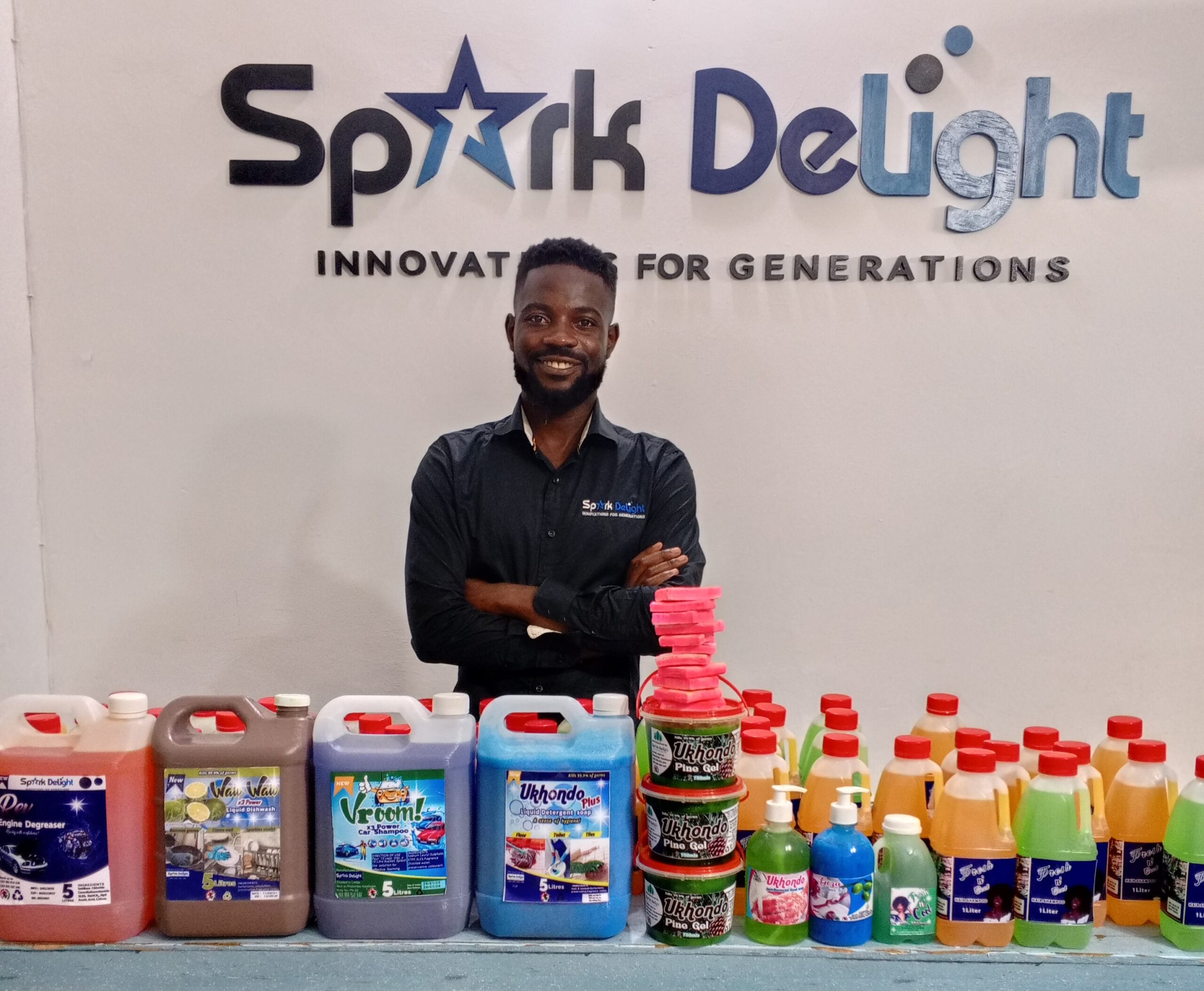
By Ulemu Mbengwani
In Zomba and surrounding areas, medical emergencies often came with an added danger: the long and uncertain wait for transport to a hospital. Too many lives were being lost, not because treatment was impossible, but because help could not arrive in time. Watching this reality unfold repeatedly revealed a silent crisis within the community’s health response system, one that would eventually give rise to a private ambulance service built to respond to the urgent need.
That crisis became personal for Siyaphera Makunganya. After losing a close relative who failed to reach a hospital in time, he turned grief into resolve. In 2018, he founded Zomba Private Ambulances to ensure that no family would lose another loved one simply because emergency transport was out of reach.
“I had witnessed too many lives lost because medical transport came too late, especially in remote areas. Losing a close relative made it painfully clear that this was a preventable problem. That moment strengthened my commitment to ensure no one else would suffer for the same reason,” he narrates.
Zomba Private Ambulances responds to a wide range of emergencies that reflect the everyday realities of the communities it serves. The nature of these cases highlights both the urgency and diversity of medical needs within Zomba and the surrounding areas. The service most frequently attends to obstetric emergencies, road traffic accidents, diabetic emergencies, funeral transport, and critical patient referrals from Zomba to Blantyre.
Since its establishment, the service has significantly changed access to emergency care. What was once marked by long delays and uncertainty has been reshaped by a more reliable and responsive system. Communities that previously struggled to secure timely medical transport are now able to reach care faster during critical moments.
“Ambulance response times within Zomba city have been reduced from about forty minutes to roughly twelve minutes. In surrounding districts, response times have improved from an average of over two hours to under forty minutes,” he says.
The service has also influenced emergency preparedness practices, encouraging event organizers to provide standby ambulances during major gatherings.
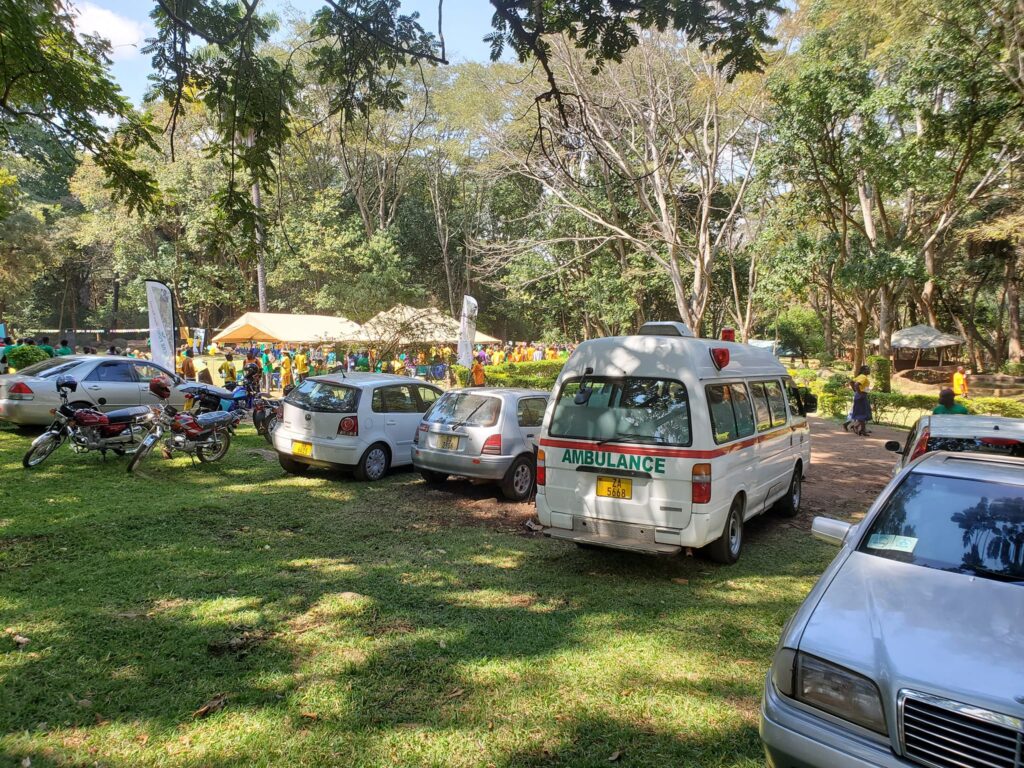
While statistics show progress, certain moments on the ground have captured the true importance of this work.
“During Cyclone Freddy, the team transported a young woman in labor from a remote village where roads were impassable. With the help of a modified stretcher and community assistance, they managed to reach her, and she delivered safely in the ambulance.”
“Another defining experience occurred in 2023, when an elderly woman was transported from Zomba Central Hospital to Mwaiwathu Private Hospital in an unstable condition and survived,” he shared.
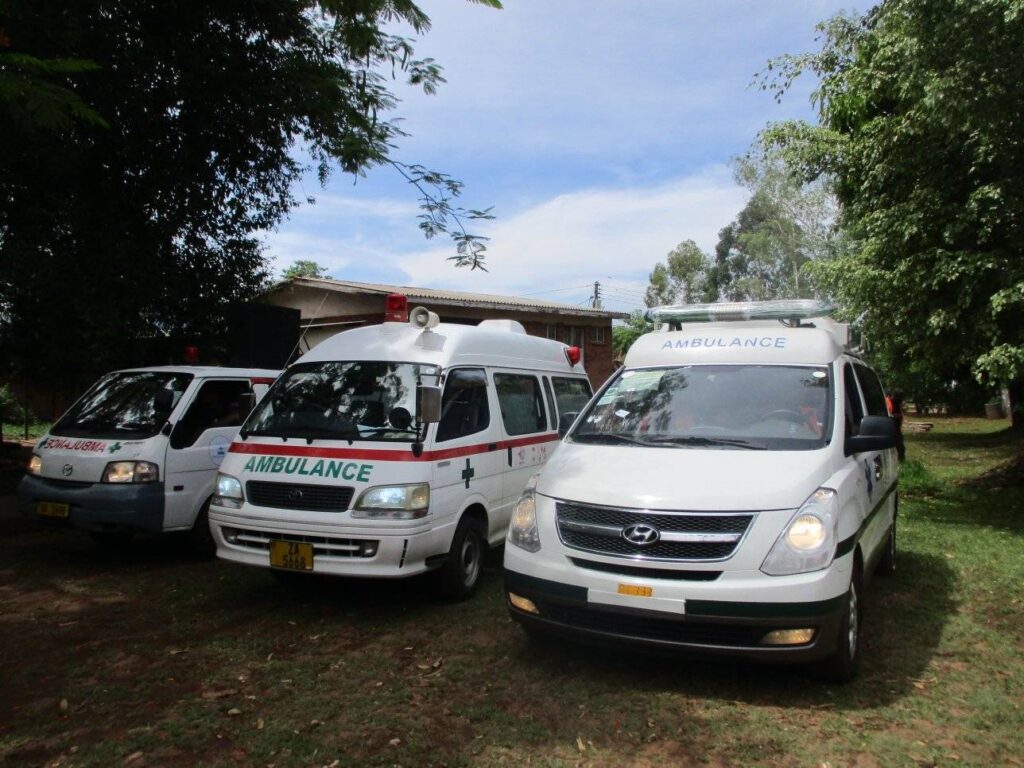
As the impact of the service became more visible, so did its growth. Reflecting on progress made since launch, Makunganya points to milestones that mark this expansion. These include growing the fleet from one ambulance to three, providing medical support at major music and cultural festivals across Malawi, and responding to over 200 emergency cases in Zomba and surrounding areas.
The journey, however, began with very limited resources. At the idea stage, Zomba Private Ambulances received a grant of $5,000 from the Tony Elumelu Foundation. From starting with no ambulance and no formal dispatch system, the service has evolved into an operation with a structured response team and a clear operational plan.
As the service expanded, questions of affordability became unavoidable. Many members of the public are accustomed to free ambulance services from public hospitals, making private emergency transport a sensitive issue. To address this, the service operates on a sliding fee scale.
“Those who can pay help subsidize those who cannot. We ensure that no one is ever turned away due to an inability to pay,” he says.
Running a private ambulance service also comes with persistent operational challenges. These realities shape daily decision-making and long-term planning. Fuel costs, vehicle maintenance, difficulty locating patients in areas with poor urban planning, and navigating difficult terrain remain among the major obstacles the service faces.
With time, these challenges have also brought important lessons. Looking back, Makunganya reflects on what he wishes he had known earlier, particularly the complexity of operational logistics. Issues such as insurance, licensing, and preventing staff burnout have underscored the need to invest in systems and team well-being from the outset.
Beyond his own journey, Makunganya is keen to share lessons with others. For young Malawians who want to build businesses that serve the public good, his advice is rooted in experience. He encourages them to start small while thinking sustainably, listen to communities, build partnerships, document impact, and remain committed to their mission even when resources are limited.
Looking ahead, Zomba Private Ambulances is focused on expanding its reach and strengthening emergency care systems. Plans include establishing emergency medical posts along major roads in Malawi, expanding services to two more districts or cities, and launching a training academy for emergency medical technicians in Blantyre, Zomba, or Lilongwe.
Given the operational challenges involved in running an ambulance service, Siyaphera believes sustained collaboration remains critical. Support from institutions, government, or partners could include fuel or vehicle maintenance sponsorships, business partnerships, and integration into the national emergency response framework.
As he reflects on the journey so far, Makunganya acknowledges the role of community trust and support in sustaining the service.
“We are not just transporting patients, we are restoring hope. Together, we are saving lives, one journey at a time.”